
1812 Overture
Pyotr Ilyich Tchaikovsky
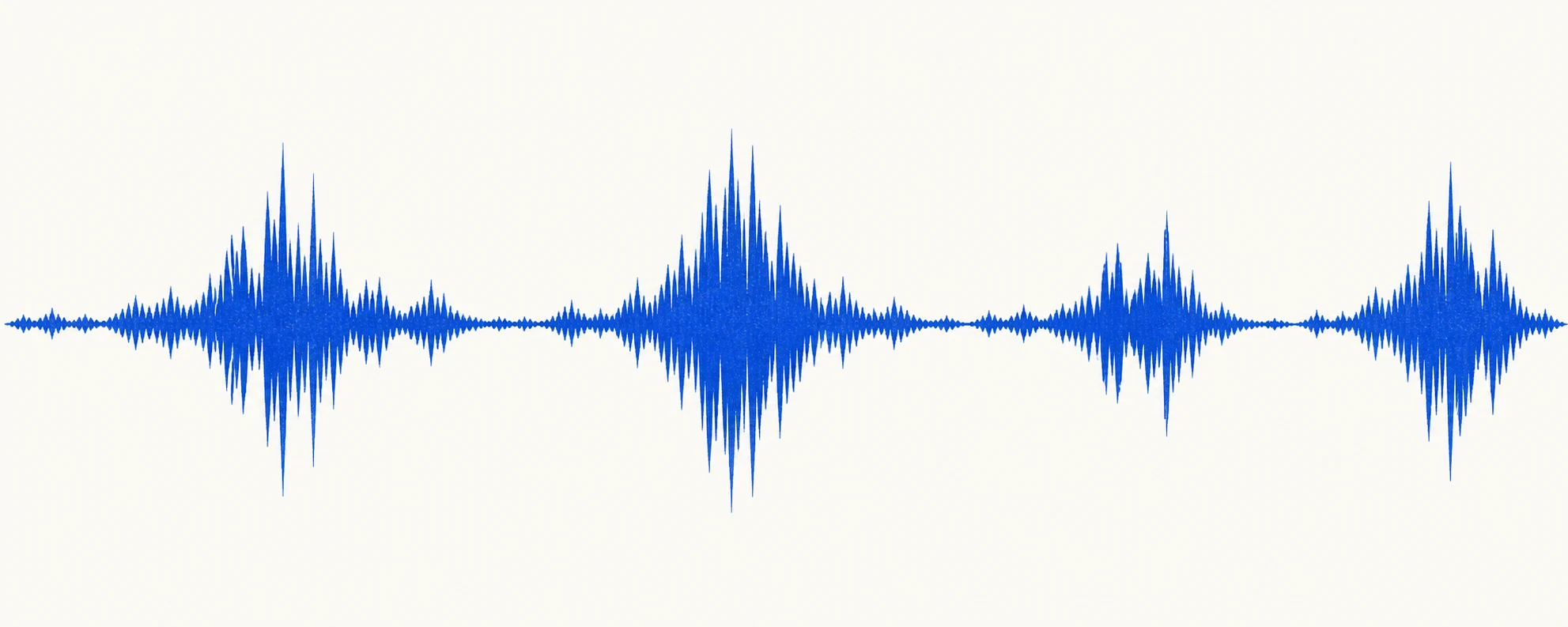

If the video is blocked by your school network, use one of the direct listening links.
First listen
Listen once without writing. What do you notice?
Listen closely
1 STRUCTUREHow are the quiet and powerful sections different?
Sentence stemThe quiet section is ___, while the powerful section is ___.
Vocabulary
- calm
- busy
- thin
- full
- contrasting
2 TIMBREWhich sounds make the ending distinctive?
Sentence stemI notice the sound of ___.
Vocabulary
- brass
- bells
- drums
- strings
- cannon effects
3 DYNAMICSHow does the music build towards the end?
Sentence stemTowards the end, the music becomes ___.
Vocabulary
- louder
- fuller
- stronger
- very loud
4 PITCHHow do the main musical ideas move between high and low registers?
Sentence stemThe ___ idea is mainly ___, while the ___ idea is ___.
Vocabulary
- quiet
- powerful
- high
- low
- mixed
5 TEXTUREHow does the texture build towards the final climax?
Sentence stemThe texture becomes ___ as ___.
Vocabulary
- thicker
- fuller
- more layered
- more instruments enter
How does this piece make you feel?
There is no right or wrong answer. Which words match your response?
calmexcitedhopefulcuriousjoyfulpowerfulpeacefultensedreamybravethoughtfulenergeticmysteriouscomfortedrestlessproudsadsurprisedupliftedfocused
Music through time
1880 · Romantic orchestral
- Medieval500–1400
- Baroque1600–1750
- Classical1750–1820
- Romantic1820–1900
- 20th century1900–2000
- Contemporary2000–present