
Surprise Symphony, second movement
Joseph Haydn
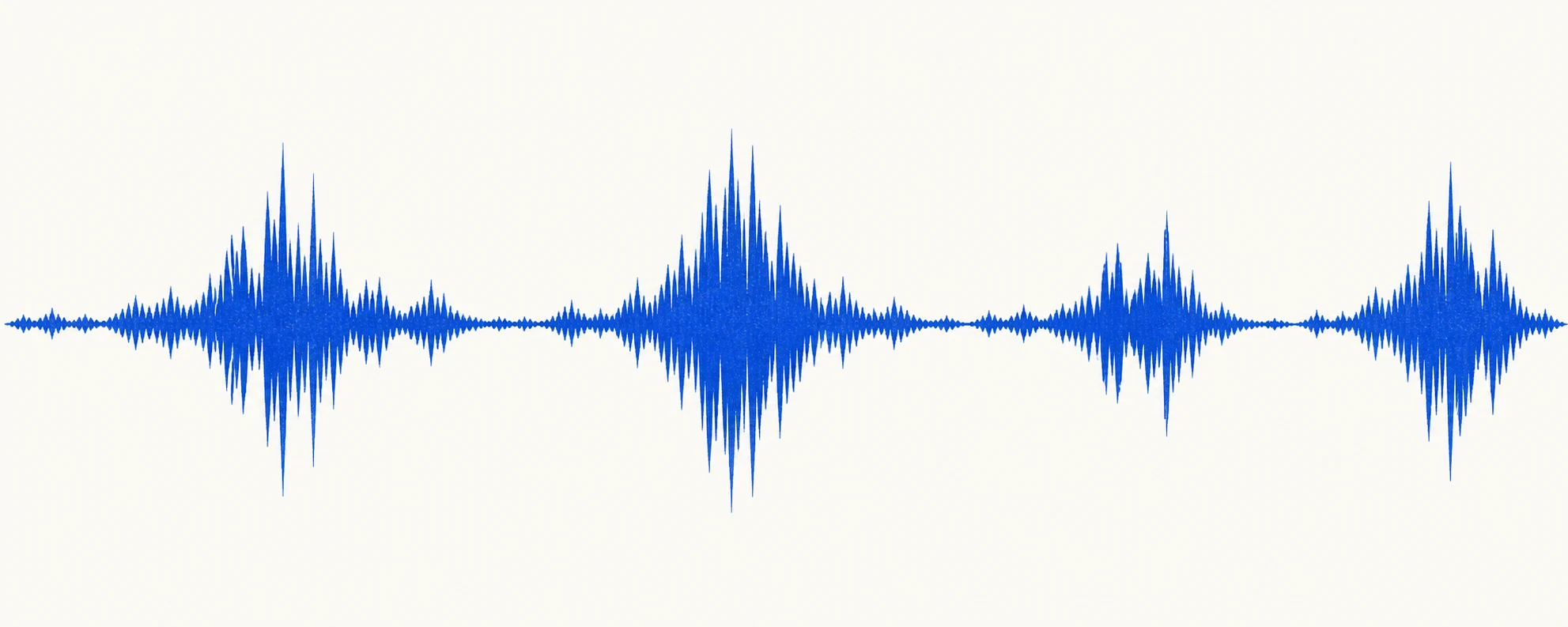

Alternative embedded performance: Lucerne Festival Orchestra performance. The preferred recording remains linked on YouTube.
First listen
Listen once without writing. What do you notice?
Listen closely
1 DYNAMICSWhat is surprising about the loudness near the start?
Sentence stemAt first the music is ___. Then it is suddenly ___.
Vocabulary
- quiet
- gentle
- loud
- strong
2 PULSEHow does the steady beat continue after the surprise?
Sentence stemAfter the loud chord, the beat ___.
Vocabulary
- continues
- stays steady
- starts again
- keeps moving
3 TIMBREWhich instrument families colour the tune?
Sentence stemI hear ___ add a new colour.
Vocabulary
- strings
- woodwind
- brass
- percussion
4 STRUCTUREHow is the tune changed when it returns?
Sentence stemThe tune returns with ___.
Vocabulary
- new instruments
- a different loudness
- extra decoration
- the same shape
5 TEXTUREHow does the sound grow from a small group to the full orchestra?
Sentence stemAt first ___. Later ___.
Vocabulary
- a few instruments play
- more instruments join
- the texture thickens
- the orchestra sounds full
How does this piece make you feel?
There is no right or wrong answer. Which words match your response?
calmexcitedhopefulcuriousjoyfulpowerfulpeacefultensedreamybravethoughtfulenergeticmysteriouscomfortedrestlessproudsadsurprisedupliftedfocused
Music through time
1791 · Classical orchestral
- Medieval500–1400
- Baroque1600–1750
- Classical1750–1820
- Romantic1820–1900
- 20th century1900–2000
- Contemporary2000–present