
Take the ‘A’ Train
Billy Strayhorn / Duke Ellington Orchestra
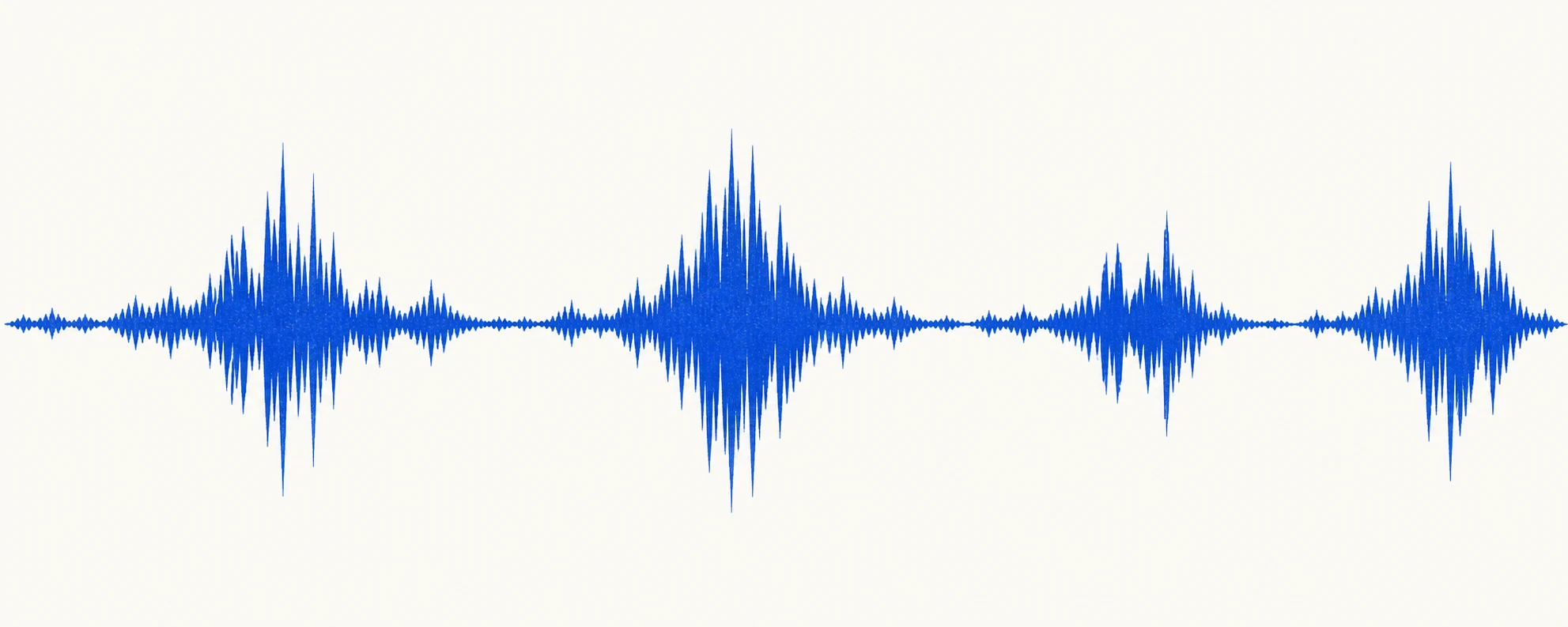

Alternative embedded performance: Duke Ellington Orchestra — Take the A Train (1943). The preferred recording remains linked on YouTube.
First listen
Listen once without writing. What do you notice?
Listen closely
1 TIMBREWhich instruments can you hear in the band?
Sentence stemI can hear ___.
Vocabulary
- trumpet
- trombone
- saxophone
- piano
- bass
- drums
2 RHYTHMHow would you describe the rhythm?
Sentence stemThe rhythm sounds ___.
Vocabulary
- bouncy
- swinging
- steady
- syncopated
3 STRUCTUREWhen does one instrument play on its own?
Sentence stemThe ___ plays on its own during ___.
Vocabulary
- beginning
- middle
- solo
- ending
4 DYNAMICSHow does the sound change between a solo and the full band?
Sentence stemThe solo is ___, while the full band is ___.
Vocabulary
- quieter
- louder
- lighter
- fuller
5 ARTICULATIONDo the band’s phrases sound smooth, short or accented?
Sentence stemThe phrases sound ___ because the notes are ___.
Vocabulary
- smooth
- short
- detached
- accented
How does this piece make you feel?
There is no right or wrong answer. Which words match your response?
calmexcitedhopefulcuriousjoyfulpowerfulpeacefultensedreamybravethoughtfulenergeticmysteriouscomfortedrestlessproudsadsurprisedupliftedfocused
Music through time
1939 · Big-band jazz
- Medieval500–1400
- Baroque1600–1750
- Classical1750–1820
- Romantic1820–1900
- 20th century1900–2000
- Contemporary2000–present